
Connecting the Dots: Illicit Mercury, Illegal Gold Mining, and Transnational Cartels
Investigation Links Last Summer’s Mercury Seizure to the Cartel at the heart of recent military operations in Mexico
If you’ve been following the news out of Mexico in recent weeks, you may have heard about the Mexican army’s killing of “El Mencho,” Nemesio Rubén Oseguera Cervantes, leader of the Jalisco Nueva Generación Cartel (CJNG), in February. CJNG is not only a main supplier of cocaine to the United States, it’s also served as a ringleader in the insidious illicit mercury trade, which supports the destructive illegal gold mining currently ravaging the Peruvian Amazon and elsewhere.

In June 2025, Sabin Center Senior Fellow and Research Professor for Wake Forest University Luis Fernandez was instrumental in supporting the largest recorded seizure of this illicit mercury in Peru. A subsequent investigation led by Peru’s OjoPúblico and Mexico’s El Universal has traced that mercury seizure and the ongoing prosecution efforts to the CJNG as well as other players in Mexico, Bolivia, and Peru.
The June 2025 seizure involved a 4-ton mercury shipment hidden among bags of crushed gravel. But cartels continue to get creative in their efforts to move this linchpin of their transnational conspiracy. According to Fernandez, speaking to the investigative team, “There are cases where mercury was hidden among coffee beans, iron pipes, paint cans, or mixed with dust.” And that creativity is highly incentivized, explained Fernandez, as “an average of 2.5 tons of mercury is required” to extract one ton of gold.
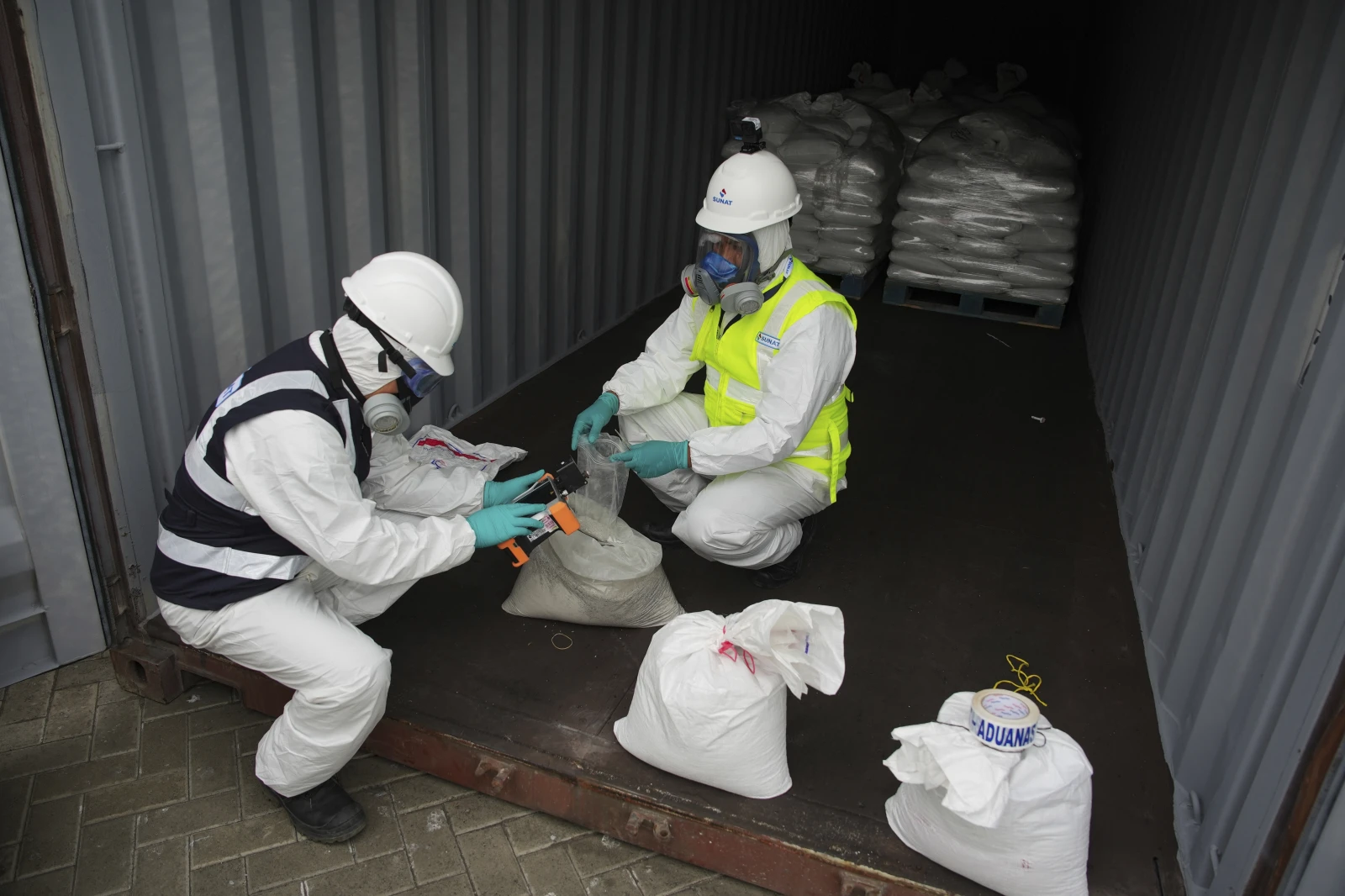
Read on to learn more about the international criminal enterprises linked to illegal gold mining in the investigative report.