
“We have to be as innovative as the people we are trying to stop.”
Chen: Economics may be key to ending illicit rhino poaching
Last year, South Africa saw rhino poaching drop 16% from the prior year, even as poaching doubled within one of its parks. Those contradictory shifts in rhino poaching numbers might baffle some conservationists, but not Economist Fred Chen. A Sabin Center Faculty Affiliate, Professor Chen’s new book, The Economics of the Wildlife Trade, illuminates the outsized role that market forces may hold in shaping results like these.
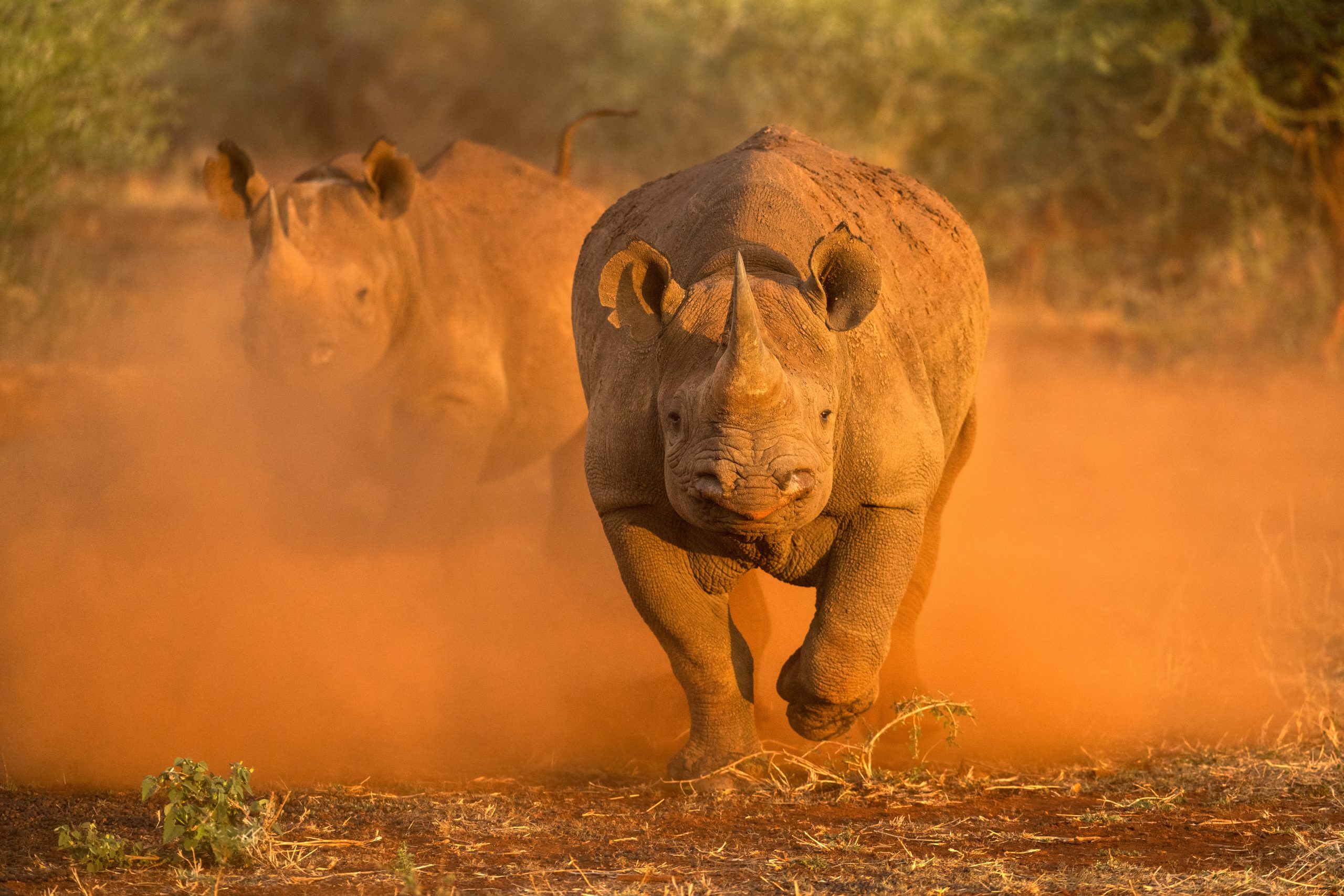
Noting that 20th century conservation approaches, like “fencing off nature,” are not effective to tackle poaching $20 billion global market, Chen proposes a series of strategies aimed at market disruption including destabilizing illicit markets, synthetic substitutes, and market re-investment.
Mainstream conservationists tend to use traditional methods to deter poachers, such as increasing enforcement and monitoring. These move the problem elsewhere. Poachers are innovative, cunning and desperate.
You can hear more about The Economics of the Wildlife Trade, which Professor Chen co-authored with Michael ‘t Sas-Rolfes, Research Fellow at the Oxford Martin Programme on Wildlife Trade, at its hybrid in-person/online launch event on April 22. Learn more about the event and register here.