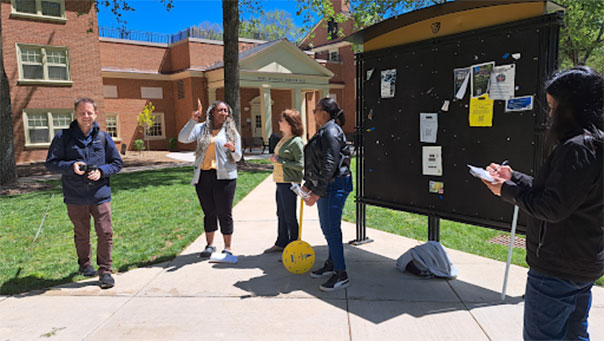
Our Faculty Seed Grants aim to support new research and scholarly opportunities for Wake Forest faculty working toward our shared vision of a more sustainable, just, and abundantly wild world. We award grants focused on significant environmental and sustainability challenges, as outlined by our seed grant priorities below.
Funding levels ranging up to $10,000 are competitive. We ask that applications for additional grant funding arising out of our seed grant awards be routed through the Sabin Center for submission to prospective funding organizations. We are happy to work with faculty to advance those applications.
Spring 2026 Seed Grant Applications are Open
Applications are available here and will be accepted until March 30.
If you have any questions about our Faculty Seed Grants, please email Gillian Hagamen at the Sabin Center.
Seed Grant Priorities
To support teacher-scholars working in the area of sustainability, and to facilitate collaboration and future grant funding, the Sabin Center is accepting seed grants in the following areas:
Collaborative Research and Scholarship:
Enables cross-disciplinary teams of Wake Forest researchers and scholars to pursue tangible outcomes in environment or sustainability issues. These grants are awarded to multidisciplinary research groups or activities.
Growth:
Designed for Wake Forest Faculty seeking to shift their scholarly activities toward subjects that address environment and sustainability issues.
Curricular Development:
Supports faculty and grad students working to develop partnerships with K-12 schools and improve curricula. Preference is given to efforts that prioritize K-12 students, non-traditional teacher-scholars, and schools in the greatest need of additional resources
Cooperative Grant-Writing: Provides full and half-day grant-writing workshops for multidisciplinary groups, including faculty from Wake Forest and outside researchers, to gather outside of their normal routines and focus entirely on submitting proposals. Facilities where workshops are held include Graylyn International Conference Center and Reynolda House Museum of American Art.
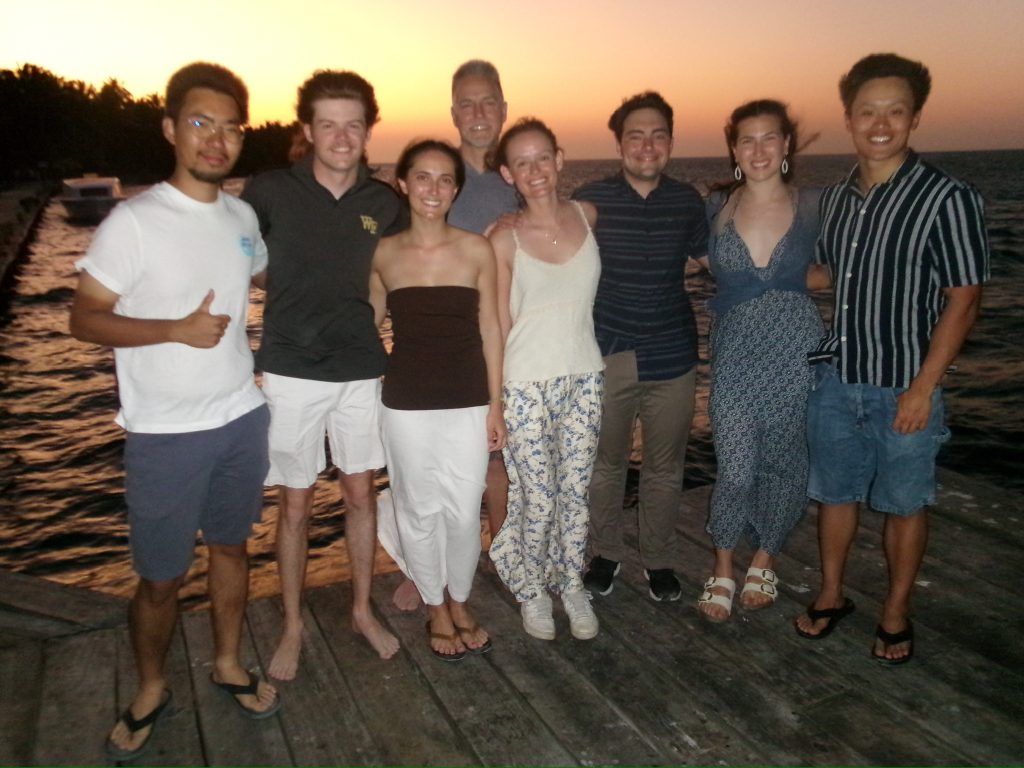
Seed Grant Success:
Investing in Local Teachers
Dr. Debbie French and Professor Brian Calhoun, faculty in Wake Forest’s Department of Education, received a Seed Grant to build a Professional Development program for local teachers. Research showed that while many educators understood climate change, they were uncertain how to teach it.
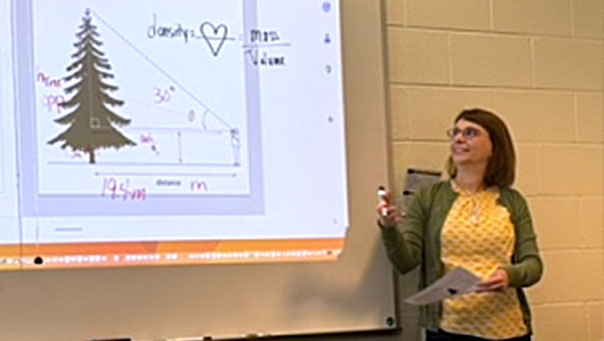
French and Calhoun created a year-long program with interactive workshops, expert-led lunch-and-learns, and curricula aligned with state standards and local environmental issues. At year’s end, participants gave uniformly positive feedback, expressing interest in continued opportunities. The program impacted an estimated 325 local students in its first year alone.