
How can we save Earth’s last best places while creating value? Global leaders and the scientific community agree that protecting significant habitats is crucial to addressing biodiversity loss and climate change. Every living organism—flora and fauna—plays a role in sustaining healthy ecosystems.
The Sabin Center aims to bridge the gap between conservation needs and real-world land use challenges. Our approach acknowledges the economic, political, social, and natural factors shaping ecosystems.
Conservation isn’t just about protecting pristine places—it’s about integrating national parks, community-managed lands, and sustainable-use wildlands into a single, functional network. Achieving this vision requires science-driven management strategies that support both nature and the people who depend on it. We foster partnerships among public and private stakeholders, accelerating conservation efforts both in the U.S. and globally. We work to advance understanding of ecosystems and the challenges they face as well as the solutions that are required. And we equip stewards of protected areas with scientific resources, expertise, and management strategies.
Without solutions that work for people, and relationships that help advance and deploy those solutions, conservation efforts will ultimately fail.
How: Science in Parks
Our “Science in Parks” approach uses protected areas as living laboratories to tackle major conservation challenges. We apply advanced tools such as:
- Thermal videography for wildlife monitoring
- Remote sensing for habitat mapping
- AI-powered analytics to improve conservation effectiveness
These innovations help track wildlife populations across three continents and monitor illegal deforestation in the Amazon.
Learn more about our expertise in AI for a Changing World.
Where: Rethinking Protection Beyond National Parks
Conservation today extends beyond traditional national parks. Most wildlands exist within a complex patchwork of national parks, Indigenous territories, and working wildlands—landscapes where conservation and sustainable use must coexist. While 17% of the world’s land is in protected areas, another 17% is managed by Indigenous peoples, often serving as de facto conservation areas with little recognition or support.
Learn more about our partnerships with Indigenous peoples through programs like Connecting Cultures.
Real-World Applications Near and Far
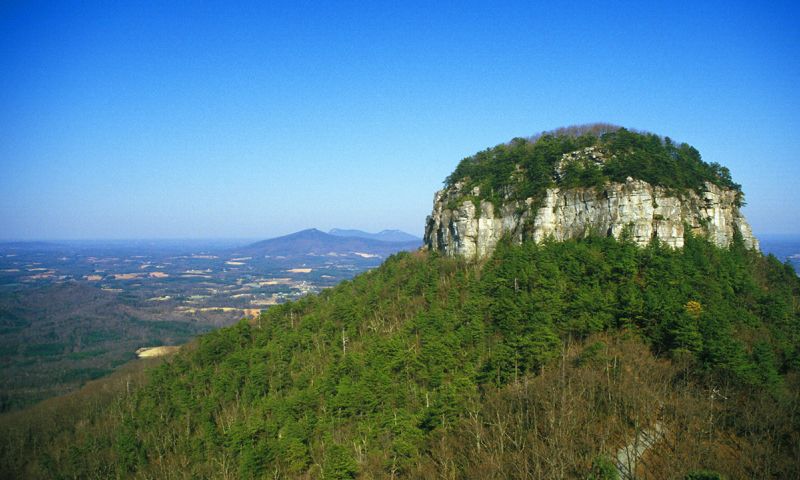
Pilot Mountain, NC
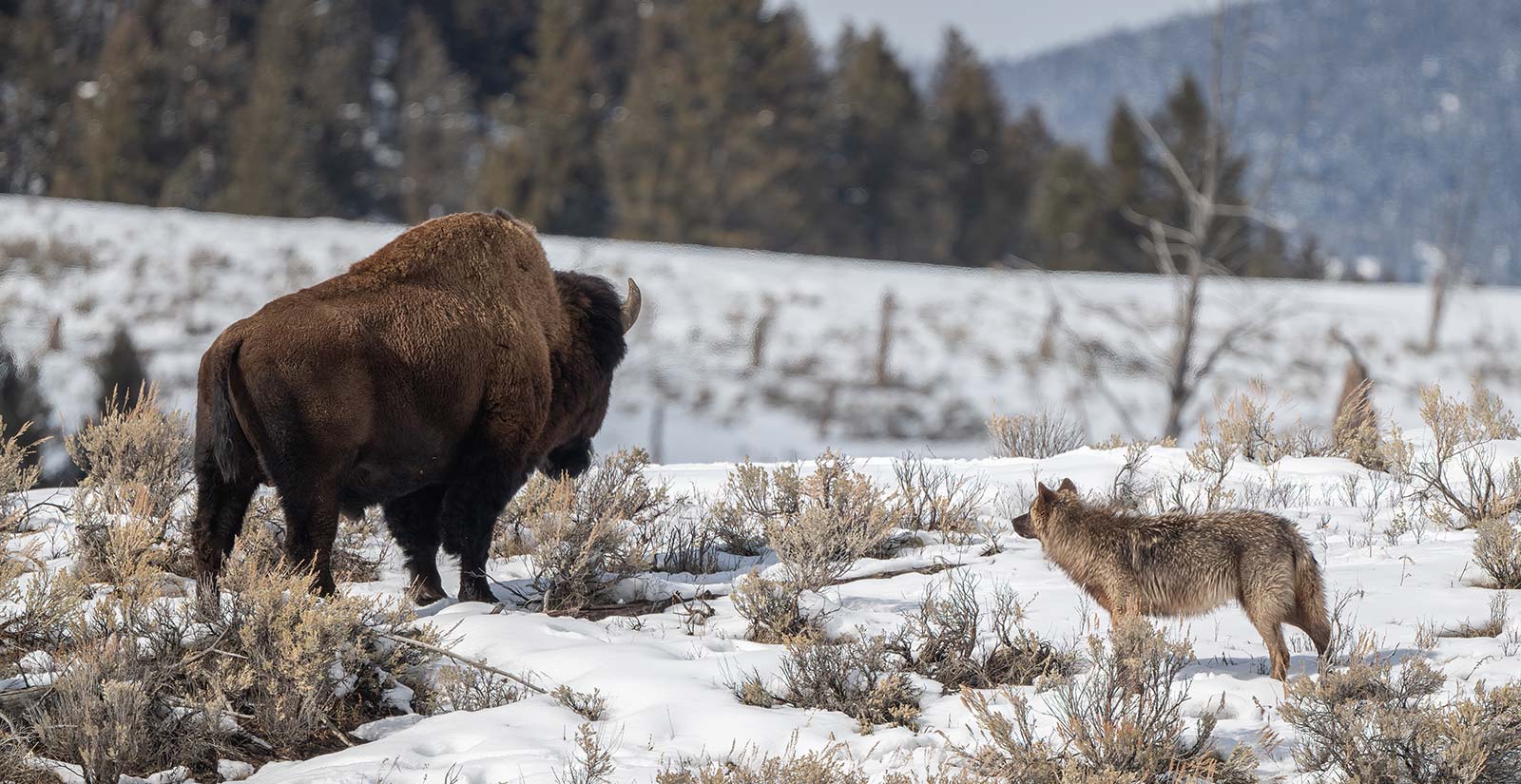
Greater Yellowstone Ecosystem

Peru’s National Parks
For over a decade, Sabin Center Founding Director Miles Silman has worked with fellow Wake faculty and students to support local officials as they address the over-population of white-tailed deer at Pilot Mountain, where excessive grazing has depleted native fauna and disrupted the ecosystems.
Learn more about their work, featured in a PBS documentary, below.
In the Yellowstone region, partnerships between public and private stakeholders are essential to conservation’s success. We explore innovative ways to census wildlife and provide landowners with tools to coexist with species like wolves and bison while maintaining their livelihoods.
Check out a conversation on the unique challenges around working lands and wolves from our 2024 Advancing Stewardship conference below.
Led by Senior Fellow Dr. Carol Mitchell, our Science for Parks initiative strengthens the scientific capacity of Peru’s national parks. Partnering with SERNANP and Pontificia Universidad Católica del Perú, we provide park managers with critical research and data to protect biodiversity hotspots like Manu National Park.
Learn more about our Science for Parks program in the video below.
Human-Wildlife Conflict:
Ancient Challenge, Advanced Tools
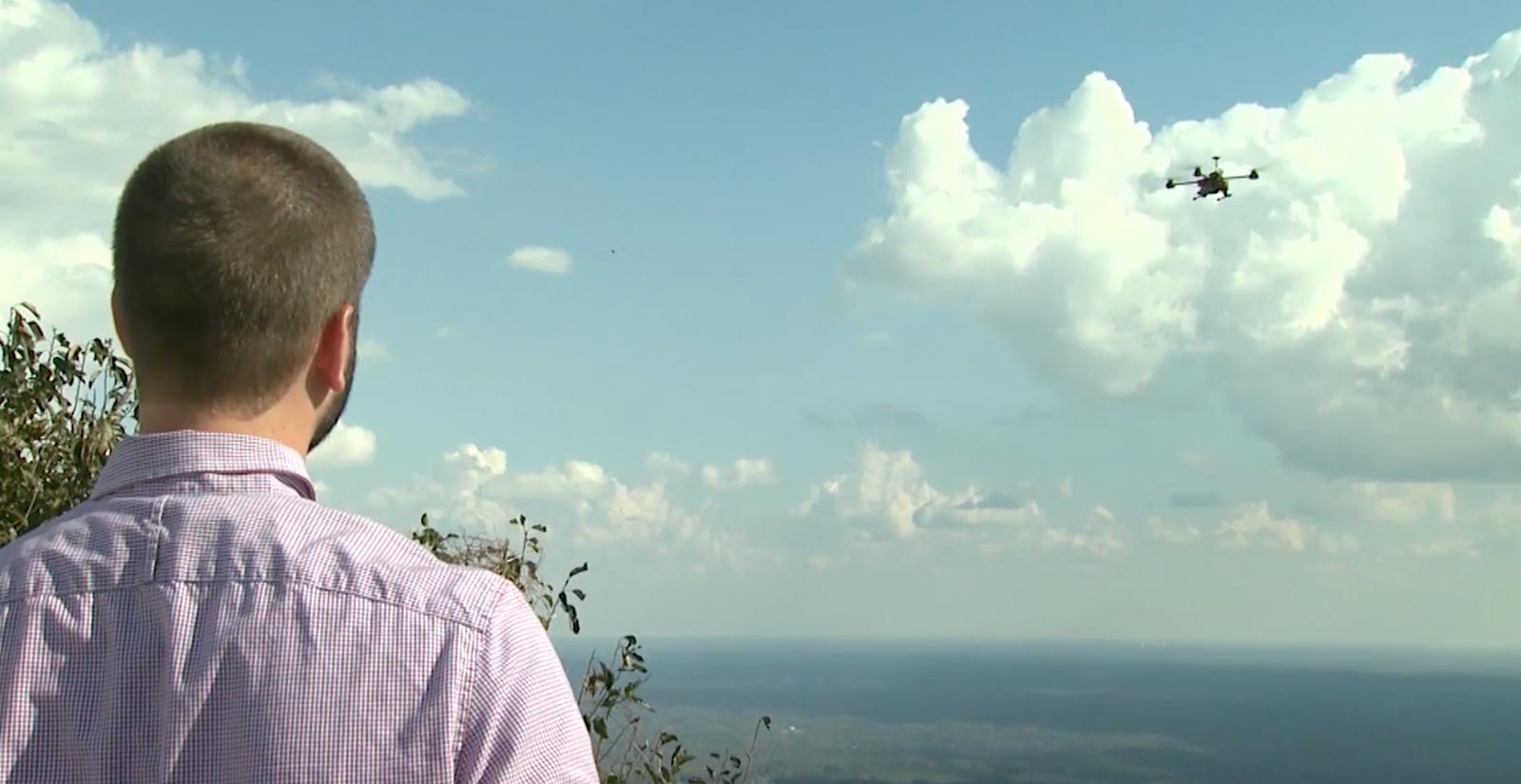
Human-wildlife conflict has existed for as long as human activities and wildlife needs have overlapped – which is to say, for all of human history. From competition for grazing lands, to the reintroduction of predators like wolves in lands adjacent to livestock ranching, to concerns around zoonotic diseases, threading this needle remains a complex undertaking. And it’s one where the Sabin Center’s experts in AI and remote sensing have made incredible strides, from the iconic landscapes of Yellowstone and the Peruvian Amazon to Pilot Mountain State Park, just up the road from Wake Forest University.
Watch the PBS Documentary on the team’s work:
Pilot Mountain has a deer problem. Drones can help.